Driving Software Engineering Decisions with Data

Common benefits and drawbacks of outsourced virtual teams

Summary of key players on a software product team
Featured Courses

Inspiring and Motivating Software Engineers
This course equips engineering managers with practical strategies and leadership principles to foster a highly motivated, engaged, and innovative software development team.


Coaching, Mentoring, and Training for Software Engineering Managers
This course empowers software engineering managers with essential coaching, mentoring, and training strategies to cultivate high-performing teams and foster individual growth effectively.

Public Speaking for Engineering Managers
This course empowers software engineering managers with critical public speaking skills to effectively communicate strategies, inspire teams, and influence stakeholders.

Mastering Communication for Software Engineering Managers
This course equips Software Engineering Managers with essential communication strategies, enhancing listening, speaking, and feedback for effective team leadership and project success.

Managerial Communication to Elevate Your Written Presence
This course equips Software Engineering Managers with essential skills to refine their writing, expand vocabulary, master grammar, and project a strong professional written presence.

Running Effective Meetings for Software Engineering Managers
This course equips Software Engineering Managers with practical strategies, tools, and frameworks to conduct efficient, outcome-driven meetings, enhancing team productivity and decision-making.
New Quizzes

Mastering Executive Technical Communication
This quiz focuses on the essential skills required for technical leaders to effectively communicate complex technical updates to executive audiences...


Mastering Audience Engagement Strategies
This quiz tests your knowledge on effective audience engagement strategies for presentations, workshops, and talks...

The Art of Preparation: From Practice to Performance
This quiz delves into the methodologies that transform routine preparation into a powerful engine for seamless execution, equipping you with techniques to refine your skills, reduce anxiety, and comma...
Recent Tutorials
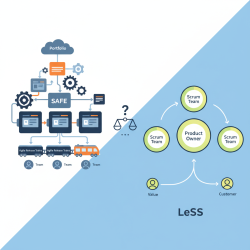
- This article provides an overview of Scaled Agile Frameworks, essential for Software Engineering Managers seeking to implement agile practices across large organizations. It explores popular frameworks like SAFe and LeSS, detailing their principles, structures, and applicability to different enterprise contexts.
- As an effective engineering manager there are several different roles that you must learn how to play. Each one addresses a specific need that your employees or team has. It is crucial to understand each one and when each role should be employed.
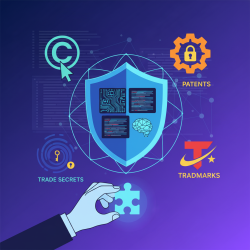
- This article explores the fundamental concepts of intellectual property (IP) as it applies to software engineering projects. It emphasizes why a robust understanding and proactive management of IP are essential for protecting innovation, ensuring competitive advantage, and mitigating risks for software development teams and organizations.
- Mentorship offers Software Engineering Managers unparalleled guidance, accelerating professional growth and providing crucial strategic insights. It serves as an invaluable resource for navigating complex challenges and fostering a resilient, successful career journey.
- Engineering managers must develop strategic thinking to move beyond day-to-day, shaping team direction, aligning with business goals, and driving innovation.
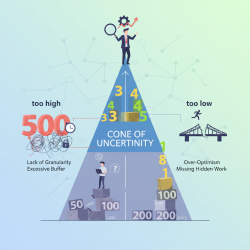
- This article provides software engineering managers with strategies to effectively review developer estimates, identifying both inflated and inaccurate projections. It outlines practical techniques for fostering realistic timelines and improving project predictability through informed estimation analysis.
- This article describes a typical mobile game programmer's day, covering morning meetings, interruptions, focused coding, and balancing personal life with late-night work.
- This article offers actionable strategies for Software Engineering Managers to enhance their time management skills, focusing on strategic planning, delegation, and optimizing communication. By implementing these techniques, engineering leaders can amplify their impact, empower their teams, and achieve more effective project outcomes.
- This article explores the critical role of grit and perseverance for Software Engineering Managers in achieving long-term goals and visions. It delves into strategies for maintaining commitment, navigating obstacles, and fostering a resilient team culture in the dynamic world of software development.
- A critical function of any software engineer’s job is to estimate the amount of time required to complete a task. This skill, is one that truly sets apart junior from senior engineers.
- Effective team building for software engineering managers transcends mere fun, focusing instead on genuine connection and tangible benefits. This article explores strategies to design engaging activities that foster psychological safety, boost collaboration, and avoid the pitfalls of forced, inauthentic participation.
- This article explores practical strategies for Software Engineering Managers to retain top engineering talent. It emphasizes fostering deep investment in company goals and vision through authentic engagement, growth, and empowerment, rather than traditional corporate methods.
- Software engineering managers can transform customer complaints into valuable strategic insights by adopting an empathetic, structured approach to feedback.
- Motivating software development teams is crucial for innovation and retention. This article outlines key strategies for engineering managers, focusing on intrinsic drivers like autonomy, mastery, and purpose, alongside creating a supportive and growth-oriented environment.
- Sometimes as a manager we get so focused on individual tasks and sprint deadlines that we forget time to sit back and think about the deep problems that we need to be fixing. This is especially true in the interactions we make with our employees and engineers.
- Business owners and business professionals fear the risk of using Open Software products. They can see that some businesses take this path and seem to benefit from the cost savings that Open Source offers, but they feel open and vulnerable.
- This article explores the critical role of release management within video game design, detailing its unique challenges compared to traditional software. It provides insights for Software Engineering Managers on how to identify and proactively mitigate both project and timeline risks for a successful game launch.
- Cultivating a healthy work-life balance is crucial for the long-term productivity, health, and retention of software development teams. This article provides Software Engineering Managers with actionable strategies to promote and maintain balance, mitigating burnout and fostering innovation.
- This article explores the critical role of emotional intelligence (EQ) for Software Development Managers, outlining its core components and why it is indispensable for effective leadership. It highlights how EQ enhances team dynamics, communication, and overall project success in the complex world of software engineering.
- This article provides engineering managers with practical strategies to help junior engineers develop crucial soft skills. It outlines methods for improving communication, collaboration, adaptability, and professionalism, highlighting their importance for long-term career success and team effectiveness.
- This article demystifies the Daily Scrum meeting, outlining its core purpose and differentiating between productive discussions and common pitfalls. It provides Software Engineering Managers with insights into fostering self-organizing teams and leveraging Scrum for enhanced project transparency and delivery.
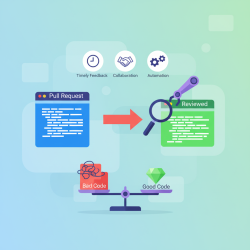
- This article outlines best practices for Software Engineering Managers to cultivate effective and productive code review sessions within their teams. By focusing on clear expectations, respectful feedback, timely responses, and automation, managers can significantly improve code quality and team collaboration.
- RCA systematically identifies fundamental reasons for software problems, crucial for managers to prevent recurrence, improve quality, and ensure sustainable product health.
- Building a robust professional network is an indispensable asset for Software Engineering Managers, offering strategic advantages beyond technical prowess. It fuels career growth, enhances problem-solving, and provides a competitive edge in the fast-evolving tech landscape.
- Trust is fundamental to high-performing software engineering teams, yet it is fragile and easily damaged. This article provides Software Engineering Managers with practical strategies to systematically rebuild trust, fostering renewed confidence and collaboration within their teams.
- This article explores the critical role of post-mortems in software development, highlighting their importance for continuous improvement and fostering a culture of psychological safety. It provides software engineering managers with insights into conducting effective post-mortems, emphasizing blameless analysis and actionable outcomes.
- Training junior engineers effectively is crucial for long-term project health, especially in preventing the accumulation of technical debt. This article outlines foundational principles and practical strategies for managers to instill best practices, ensuring junior team members contribute maintainable, high-quality code from the start.
- Presentation skills are essential for Software Engineering Managers to communicate vision, motivate teams, influence stakeholders, and prevent common presentation errors.
- This article explores strategies for Software Engineering Managers to bridge the gap between Development and Live Operations teams. It emphasizes fostering shared understanding, improving communication, integrating processes, and cultivating a culture of joint ownership to enhance support and collaboration.
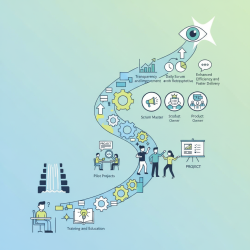
- This article outlines a strategic approach for Software Engineering Managers to successfully integrate Agile Development practices into their teams. It covers essential steps from initial training and phased implementation to fostering a culture of continuous improvement and measuring success.
- This article explores common points of tension between engineering teams and product leaders, such as conflicting priorities, scope creep, and technical debt. It also provides actionable strategies for engineers and engineering managers to foster better communication and collaboration, ultimately leading to more effective product development.
- Engineering managers play a pivotal role in guiding their teams toward excellence. Providing constructive feedback during one-on-one meetings is a key skill that can enhance performance, boost morale, and foster professional growth among software engineers.
- Your question needs to provide value. Either to you as the candidate or to the interviewer to help them understand you better.
- Software development environments are inherently stressful, making resilience a crucial attribute for both individual well-being and team performance. This article outlines how Software Engineering Managers can foster resilience by creating supportive cultures, promoting healthy work-life balance, and implementing practical strategies.
- Mentorship programs are a strategic imperative for software development teams, crucial for fostering individual growth and enhancing overall team performance. They accelerate skill development, improve onboarding, reduce turnover, and cultivate future leaders, ultimately contributing to organizational excellence.
- Effective delegation is crucial for Software Engineering Managers to foster team growth and enhance productivity. This article provides practical strategies for identifying delegation opportunities, empowering team members, and overcoming common hurdles to build a more capable engineering workforce.
- Software Engineering Managers often find their days consumed by activities that yield little value, impacting productivity and strategic focus. This article outlines common time sinks and provides practical strategies for identifying and mitigating them to reclaim valuable time.
- As an engineering manager it is our job to motivate our employees so that they can succeed at their tasks. Often we approach this challenge from the perspective of finding new ways to motivate and excite our employees. While this is beneficial we often forget to look at the items that hurt or destroy the motivation within our teams.
- This article provides software engineering managers with strategies for conducting effective and emotion-free post-mortem meetings after major incidents. It focuses on fostering a blameless culture, meticulous preparation, structured objective analysis, and actionable outcomes to drive continuous improvement.
- Here is the scenario, You go to a tech company for an interview and get every single one of their questions correct. Yet you do not land the job. Why not?
- Communication failures in software engineering critically damage product quality, inflate costs, and halt innovation. Managers must implement clear strategies for team success.
- One of the hardest parts of running an effective meeting is successfully reaching a conclusion to that meeting’s agenda. In this article we want to share several different approaches to reaching a conclusion, along with showing their strengths and weaknesses.
- This article provides Software Engineering Managers with actionable strategies to refine their hiring processes. It covers everything from crafting effective job descriptions and streamlining initial screenings to conducting impactful interviews and making data-driven decisions to secure top talent.
- Phone interviews can be an intensive and nerve raking experience. They can also be a really worthwhile experience for both the interviewer as well as the interviewee. Use this 5 tips below to help yourself succeed during a phone interview.
- Navigating vendor software and third-party agreements is a critical skill for Software Engineering Managers. Effective negotiation ensures technical alignment, optimizes costs, and mitigates risks, directly impacting project success and team productivity.
- Building trust among similar-level leaders is crucial for effective collaboration and decision-making in software engineering. This article outlines key strategies, from open communication to collaborative problem-solving, to foster a cohesive and high-performing leadership group.
- Kanban boards offer a powerful visual method for managing software development workflows. This article explores how they facilitate transparency, optimize team output, and enforce crucial work-in-progress limits to boost efficiency.
- This article provides Software Engineering Managers with essential strategies for achieving highly accurate costing estimates for mobile video game features. It covers meticulous feature breakdown, effective estimation methodologies, and leveraging historical data to ensure projects stay on time and within budget.
- Continuous Integration (CI) is a pivotal practice for modern software development teams, emphasizing frequent code merges and automated testing. This article explores the meaning of CI, its core principles, and the significant benefits it offers, empowering software engineering managers to foster efficiency and deliver high-quality software.
- Running an effective meeting starts with its preparation. In today’s post, we are going to look at the ways that you can prepare to run an effective meeting.
- There are several options for software sourcing these days. In-house development, software packages, domestic outsourcing, offshore outsourcing, and application service providers (ASPs) are all possible sources for software applications. All have their place in a software sourcing strategy.
- Let's face it. As an engineer we can create freaking awesome stuff - but do we have the business chops to back up our creations? During this post I want to explore 3 critical business skills that I believe every engineer should master.
- This article guides Software Engineering Managers on implementing routines and exercises to foster creativity within their teams. It covers building psychological safety, structured innovation practices, and the manager's crucial role in nurturing an environment where novel solutions and imaginative thinking can thrive.
- A Community Manager acts as the crucial bridge between a video game development team and its player base, translating player feedback into actionable insights and fostering a vibrant community. This role is indispensable for a game's long-term success, directly influencing player retention, brand loyalty, and overall market reception.
- This article explores the critical importance of adaptability within software development teams for sustained success in a rapidly evolving technological landscape. It outlines actionable strategies for engineering managers to foster a culture where change is embraced as an opportunity for innovation and growth.
- Protecting intellectual property is paramount for sustained competitive advantage in software development. This article outlines key strategies for engineering managers to safeguard their software IP and identifies common pitfalls to avoid.
- Often when we do present an issue, the management team returns and can be frustrated about the issue being raised. This article will hope to address how to properly raise an issue to the management team so that frustrations can be avoided.
- Software Engineering Managers must master identifying, categorizing, and effectively communicating with diverse stakeholders to ensure project alignment, mitigate risks, and drive successful software delivery.
- Setting realistic and effective due dates is one of the most critical responsibilities of a software engineering manager. Done well, it fosters team alignment, boosts productivity, and ensures timely delivery of high-quality software.
- Building robust relationships with contractors is vital for software engineering managers to ensure project success and enhance team efficiency. This article explores how fostering trust, clear communication, and collaboration transforms contractor engagements into strategic partnerships.
- This article provides Software Engineering Managers with practical techniques to improve team retention, focusing on creating a supportive environment and fostering growth. It covers understanding attrition drivers, building a positive culture, supporting career development, ensuring fair compensation, and promoting work-life balance.
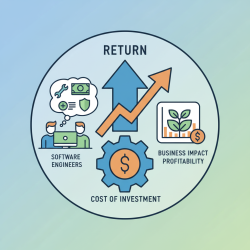
- This article explains what Return on Investment (ROI) stands for and why it is a crucial metric for Software Engineering Managers. It covers how ROI empowers managers to make data-driven decisions, justify investments, and strategically align engineering efforts with business goals.
- Version control software is an indispensable tool in modern software development, providing a robust framework for managing changes to codebases. This article explores how these systems are utilized by software engineering teams to not only track code evolution but also to actively enhance and maintain high code quality standards.
- Software Engineering Managers face unique stress factors, from tight deadlines to team dynamics. This article provides practical advice and skills to proactively manage and reduce stress, fostering a healthier and more productive work environment for managers and their teams.
- This article delves into the critical importance of soft skills for all engineers, irrespective of their leadership status. It highlights how these interpersonal abilities foster collaboration, enhance problem-solving, and drive career progression within any technical team.
- This article guides Software Engineering Managers on how to create a compelling team vision, emphasizing its importance for alignment and motivation. It outlines practical steps for crafting, communicating, and inspiring action towards the vision, ensuring the team is united and purposeful.
- Software Engineering Managers must embrace market analysis to understand competitors and their products, shifting from purely technical oversight to strategic leadership. This insight enables data-driven decisions that enhance product relevance, foster innovation, and secure market positioning.
- This article outlines comprehensive strategies for Software Engineering Managers to create an exceptional onboarding experience for new engineers. By focusing on pre-boarding, structured growth plans, managerial support, and cultural integration, organizations can significantly boost new hire productivity and retention.
- Software Engineering Managers boost negotiation skills through diligent preparation, clear communication, strategic tactics, and cultivating strong, lasting relationships.
- The first month in a new software engineering role can be both exhilarating and overwhelming. For managers, this period is a golden opportunity to shape a new hire’s trajectory—either toward long-term success or early disengagement.
- This article analyzes the inherent advantages and disadvantages of small versus large project groups in software engineering, offering insights for managers to make informed decisions. It delves into aspects like communication, efficiency, complexity, and resource management to guide optimal team structuring.
- This article provides comprehensive guidance for Software Engineering Managers on how to effectively train junior managers and new team leads to run productive meetings. It covers the entire meeting lifecycle, from initial planning and expectation setting to efficient execution, clear conclusion drawing, and actionable follow-up assignment.
- Engineers often struggle with communication and collaboration, vital soft skills for career growth and team success; managers must develop them for high-performing teams.
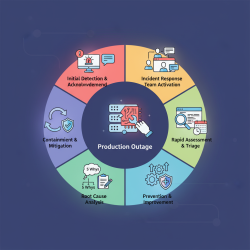
- This article outlines a comprehensive playbook for Software Engineering Managers to effectively manage production outages. It details crucial steps from initial detection and rapid recovery to thorough root cause analysis and implementing preventative measures, emphasizing structured communication and continuous improvement.
- Effective remote team management is crucial for software engineering leaders in today's distributed work landscape. This article provides practical advice on communication, trust-building, expectation setting, and well-being to foster highly productive and engaged remote development teams.
- There are many valuable skills that an on call engineer can apply to firefighting an incident. In this article I want to focus on one skill in particular. That is the ability to be the driver behind an incident response.
- This article explores common challenges faced during the code review process, from lengthy pull requests to reviewer burnout. It also outlines actionable strategies for Software Engineering Managers to mitigate these issues, fostering a more efficient and effective review culture.
- Are you looking to post a Job Opening for a Software Engineer? Unsure how to describe the position?
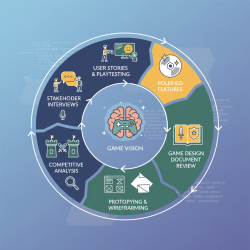
- This article explores essential techniques for effective requirement gathering in video game development, emphasizing the unique challenges and stakeholders involved. It provides guidance on identifying critical information and mitigating risks to ensure successful feature implementation.
- This article explores critical strategies for software engineering managers to foster a strong sense of trust among their team members. It details how cultivating psychological safety, transparent communication, and empathetic leadership are essential for building high-performing and resilient teams.
- This article provides practical strategies for Software Engineering Managers to ensure their meetings remain focused, productive, and efficient. It covers essential techniques from pre-meeting preparation to effective in-meeting facilitation and post-meeting follow-up to maximize value for all participants.
- Employees at all levels of the company need to set an progress against various business goals. These goals have a very different background depending on the level of the employee.
- When you are running a production based mobile product, it can be difficult to identify and define meaningful long term technical improvements. Even more difficult is successfully implementing a plan to achieve success on the defined tasks.
- The Waterfall model, a classic linear-sequential approach, structures software development into distinct, consecutive phases. This article delves into its methodology, explores its advantages and disadvantages, and identifies scenarios where it remains a viable project management strategy for software engineering managers.
- This article will explore the critical role of proper cost estimating in successful software development projects. We will examine the consequences of inaccurate estimates, discuss key factors influencing cost, outline effective estimating techniques, and highlight strategies for improving the accuracy and reliability of your cost estimations.
- What is one of the greatest attributes / strengths that an engineer can posses? Take a moment and think about what it is…
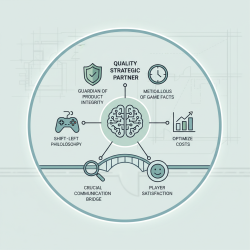
- Quality Assurance Agents are pivotal in modern game design, evolving from mere bug finders to strategic partners ensuring product integrity and player satisfaction. Their proactive involvement across the development lifecycle is critical for mitigating risks, optimizing costs, and safeguarding a studio's reputation.
- Agile is a transformative paradigm that redefines software development through adaptability and collaboration. This article explores Agile's core principles, practical applications, and its significant benefits for engineering managers leading modern software teams.
- In software development, clarity and alignment are essential. Software Development Managers are constantly balancing delivery timelines, team morale, technical debt, and stakeholder expectations. One of the most effective tools for navigating this complexity is the use of Key Performance Indicators (KPIs).
- Motivating junior software engineers requires a multi-faceted approach focused on effective onboarding, continuous growth, and fostering a sense of belonging. This article outlines key strategies for engineering managers to cultivate enthusiasm and long-term commitment in new team members.
- All engineers, regardless of their current level, need to improve their core skill sets to progress in their career. These are not tasks per say - but rather specific skills and attributes that engineers work on developing over a period of time.
- Effective meeting management transcends mere attendance; it hinges on the diligent capture, assignment, and relentless follow-up of action items. This systematic approach ensures that discussions translate into tangible progress, keeping software development initiatives on track and accountable.
- This article outlines essential strategies for Software Engineering Managers to cultivate a strong and positive team culture. It emphasizes understanding current team dynamics, building on key pillars like psychological safety, and implementing practical approaches for continuous improvement and team success.
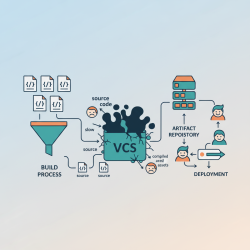
- This article explores the fundamental reasons why compiled assets are ill-suited for traditional version control systems, focusing on issues like binary diffing, repository bloat, and build redundancy. It then outlines robust alternative strategies for managing these critical outputs within a development team, emphasizing automated build systems, artifact repositories, and clear dependency management.
- Discover how a VIP Manager serves as a crucial bridge between a game's most valuable players and its development team. This role is essential for enhancing player retention, providing early warnings for development issues, and fostering authentic brand advocacy, ultimately driving a game's long-term success.
- This article explores common meeting behaviors that lead to confusion, misalignment, and wasted time for Software Engineering Managers. It outlines practical strategies to identify and prevent these issues, fostering more productive and efficient team interactions.
- In the fast-paced world of software development, where teams juggle complex projects, evolving technologies, and tight deadlines, effective leadership hinges on more than just technical oversight. As a software development manager, fostering strong relationships with your direct reports is essential for driving team success and individual growth.